
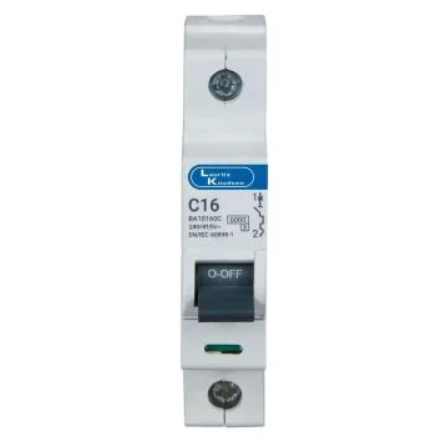
Miniature Circuit Breaker: Function, Ratings and Selection
A miniature circuit breaker helps interrupt a circuit when specified overcurrent conditions occur. It is widely used in final circuits, but it must be chosen according to the wiring, connected load, expected fault current, and installation design. The ampere rating alone does not describe the complete device. Lauritz Knudsen Smartshop can help users explore circuit protection products, while technical ratings and applicable standards should determine the final selection.
Plan the Installation Before Comparing Products
Identify what the circuit supplies, the conductor size, the expected operating current, and the likely fault conditions. The MCB’s tripping characteristic should suit the load’s starting behaviour, while its breaking capacity must be sufficient for the prospective short-circuit current. Pole count and compatibility with the distribution board also need to be checked. A designer or electrician can verify these factors together.
Write down the relevant ratings, physical constraints, and operating conditions before comparing model numbers. This makes product comparisons more meaningful and helps prevent a mismatch between the accessory and the equipment it is intended to serve.
Priorities for Circuit Protection
For circuit protection, the breaker must be coordinated with the conductor and expected fault conditions. Its trip characteristic should also reflect the connected load’s normal starting behaviour.
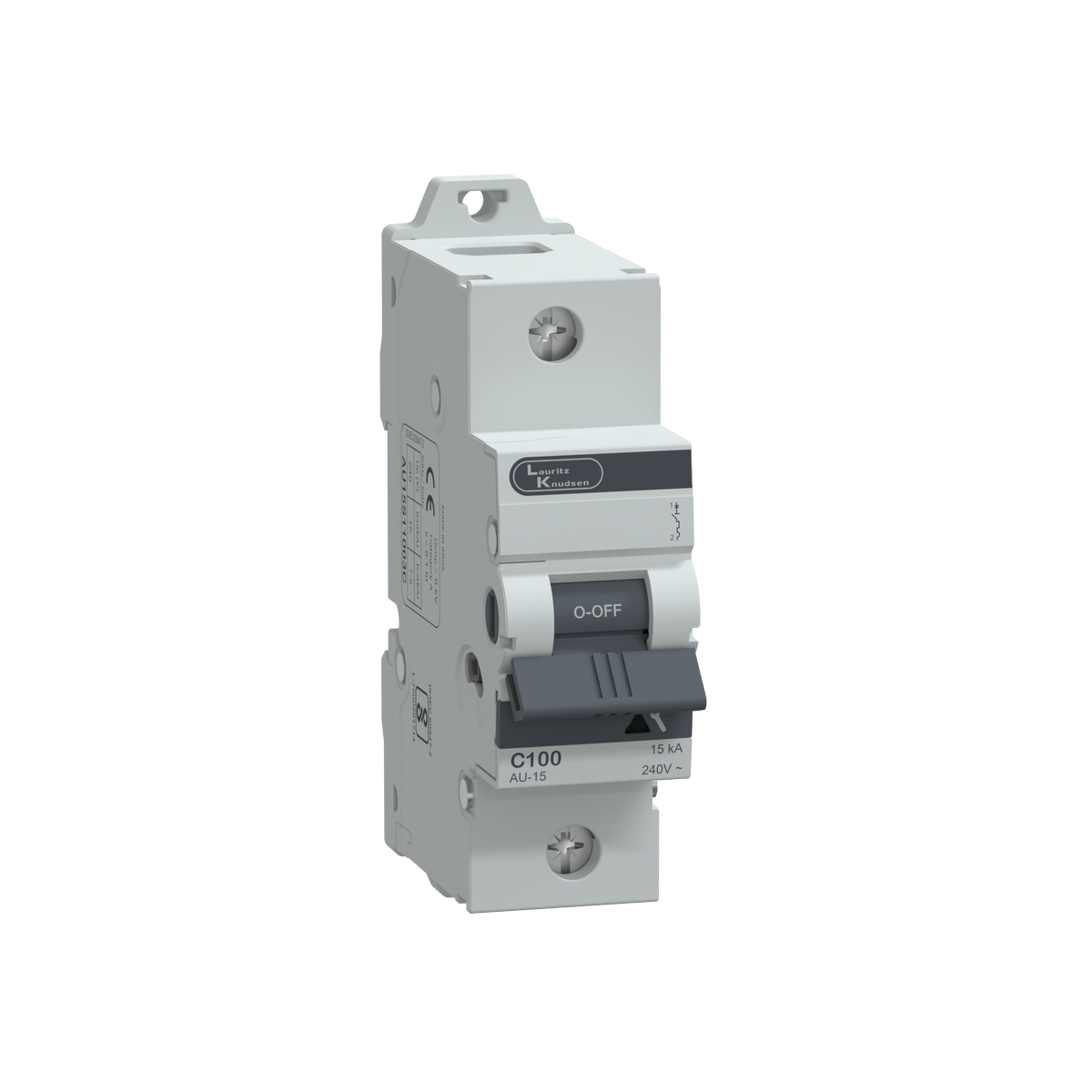
What a Miniature Circuit Breaker Does
A miniature circuit breaker protects a circuit by disconnecting the supply when an overload or short circuit reaches its operating conditions. It is commonly used in distribution boards serving residential and light-commercial circuits.
The device is selected to protect the wiring and installation. Its rating should not be increased simply because it trips during normal use; the cause must first be identified.
Installation Suitability Checks
- Match the breaker to cable and load requirements.
- Confirm tripping curve and fault-interruption capacity.
- Find the cause of repeated trips before replacement.
Ratings and Trip Characteristics
MCBs are available with different current ratings, pole configurations, and trip characteristics. The correct choice depends on conductor size, expected load, prospective fault current, and applicable installation standards.
Always consult the product’s technical data and the design requirements. Similar-looking breakers may differ in breaking capacity or other important characteristics.
Installation Suitability Checks
- Match the breaker to cable and load requirements.
- Confirm tripping curve and fault-interruption capacity.
- Find the cause of repeated trips before replacement.
MCB and MCCB Applications
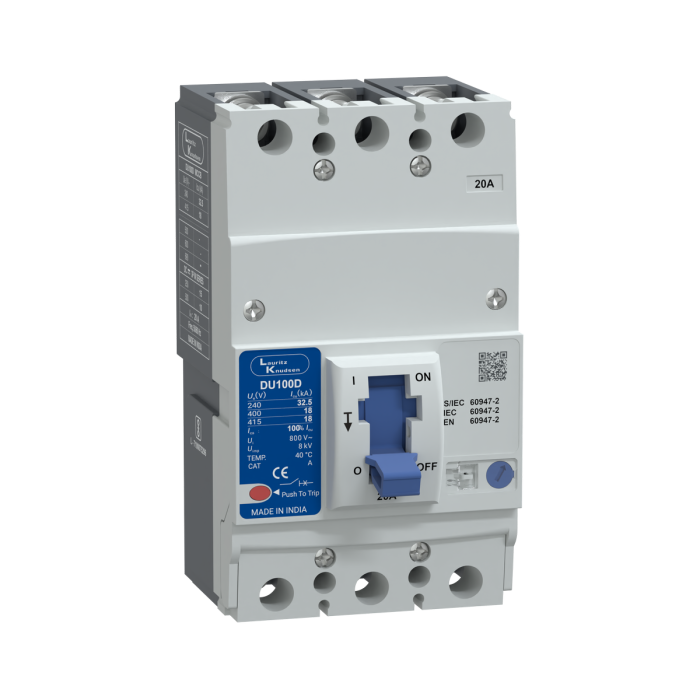
An MCCB electrical protection device is commonly considered for circuits with higher current requirements or other needs beyond those addressed by many typical MCBs. Exact application boundaries depend on the product range and system design.
Both types must be selected and coordinated correctly. A larger breaker is not automatically safer, and a protective device must be appropriate for the circuit it serves.
Installation Suitability Checks
- Match the breaker to cable and load requirements.
- Confirm tripping curve and fault-interruption capacity.
- Find the cause of repeated trips before replacement.
Installation and Coordination
Breakers are installed as part of a broader protection system. Their performance depends on suitable conductors, secure terminations, correct enclosure, and coordination with other devices.
Distribution-board work should be carried out by a qualified electrician. Correct labelling and testing also help make future maintenance safer.
Installation Suitability Checks
- Match the breaker to cable and load requirements.
- Confirm tripping curve and fault-interruption capacity.
- Find the cause of repeated trips before replacement.
Before Purchasing
Confirm the exact product series, current rating, pole count, breaking capacity, trip characteristic, and compatibility with the board. Review manufacturer documentation and the intended application before ordering.
Lauritz Knudsen Smartshop can be used to explore circuit protection products, but final selection should be based on the electrical design rather than price or appearance.
Installation Suitability Checks
- Match the breaker to cable and load requirements.
- Confirm tripping curve and fault-interruption capacity.
- Find the cause of repeated trips before replacement.
Mistakes That Can Lead to Poor Performance or Unsafe Selection
Never install a higher-rated breaker simply because the existing one trips. Tripping can indicate overload, short circuit, earth fault, or a failing appliance, and the cause needs to be identified. Another mistake is choosing a device with insufficient breaking capacity. An MCB also does not replace every other form of protection that an installation may require.
If a device trips repeatedly, overheats, makes unusual noise, or shows visible damage, stop relying on it until the cause has been checked. Never bypass protection or work on energised fixed wiring.
Final Checks Before Purchase and Installation
Review the rated current, tripping curve, breaking capacity, pole configuration, voltage rating, product standard, and panel compatibility. Use the manufacturer’s selection tables where available and check whether accessories are required. After installation, the circuit should be labelled and tested appropriately. Any recurring fault or sign of heat damage warrants professional inspection.
Reading product information correctly
Manufacturer data should identify the MCB’s rated current, voltage, pole arrangement, breaking capacity, trip characteristic, and compatibility with the intended board. These details matter even when two breakers share the same current rating.
If an existing breaker is damaged or trips frequently, record the circuit details and arrange an inspection. The fault may be caused by the connected load, wiring, or another component rather than the breaker itself.
Quick checklist
- Verify every relevant rating
- Check compatibility with the board
- Investigate faults before replacing
Conclusion
A miniature circuit breaker is an essential part of circuit protection when correctly selected and installed. Verify ratings and coordination, and have a qualified professional investigate repeated tripping or other faults.
