
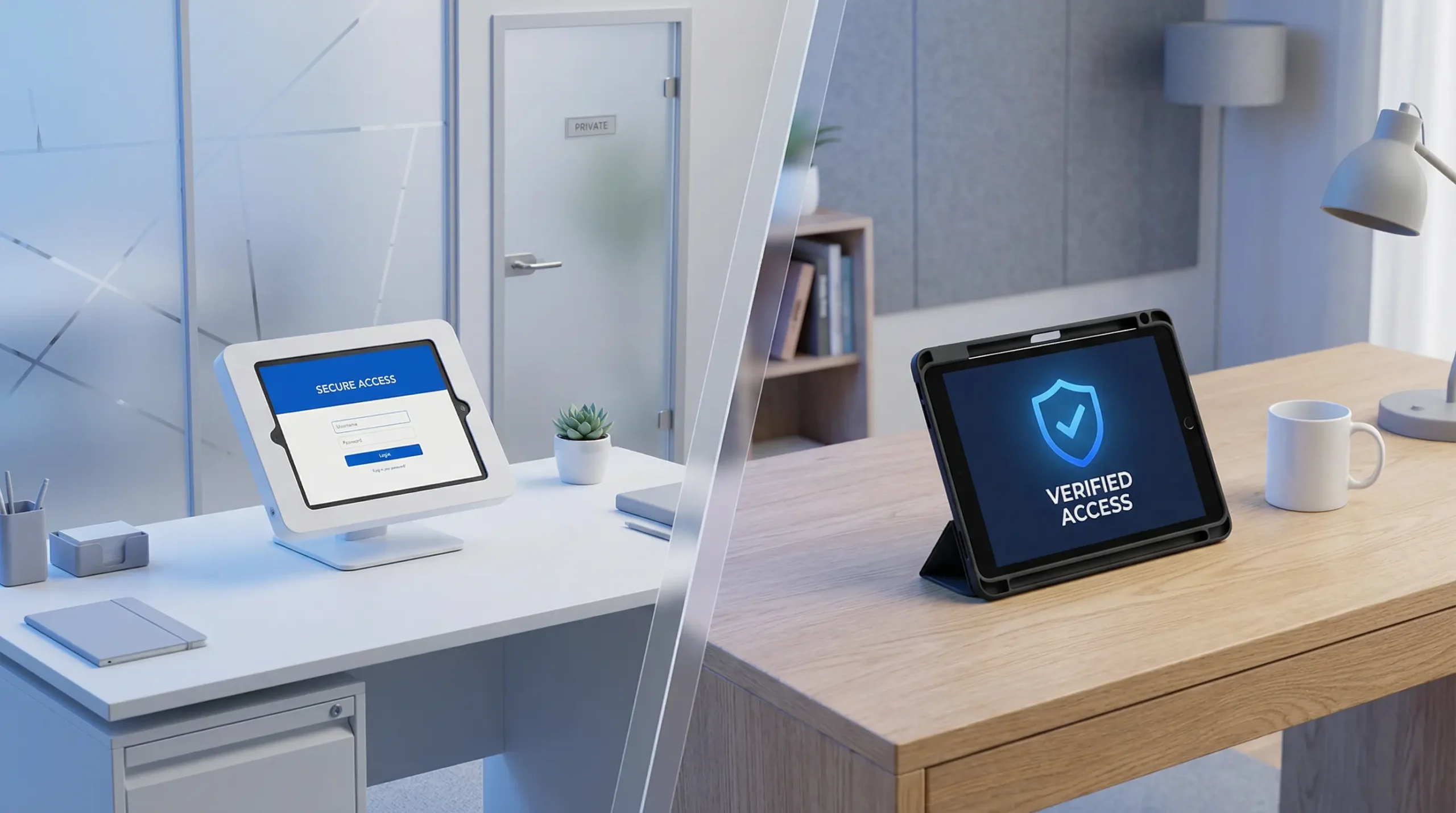
Digital Trust Enhanced With Trustswiftly NIST IAL3 Verification Technology
In the evolving landscape of digital identity, security and trust are paramount. For organizations handling highly sensitive data—particularly those serving federal agencies or operating in critical infrastructure—meeting the most stringent standards isn’t just a recommendation; it is a necessity. This is where NIST IAL3 verification comes into play.
As the gold standard for identity assurance, IAL3 represents the highest level of confidence that a digital identity matches a real-world individual. Below, we explore the intricacies of NIST 800-63-4 IAL3 compliance, the role of FedRAMP high identity proofing, and how modern IAL3 identity verification software is bridging the gap between security and user experience.
Understanding NIST IAL3 Verification
The National Institute of Standards and Technology (NIST) defines Identity Assurance Levels (IAL) as a way to categorize the rigor of the identity proofing process. While IAL1 involves self-assertion and IAL2 allows for remote verification with high-strength evidence, IAL3 verification requires the highest degree of certainty.
Under the latest guidelines, NIST 800-63-4 IAL3 compliance demands that identity proofing be performed in person or through a supervised remote session that mimics the security of a physical encounter. This level is reserved for transactions where the risk of identity fraud could lead to catastrophic consequences, such as unauthorized access to national security systems or large-scale financial disbursements.
Key Requirements for IAL3 Compliance
To achieve IAL3, an organization must implement a multi-layered verification stack:
1. Physical Presence: The applicant must be physically present before a trained representative, or use a high-resolution “supervised remote” kiosk.
2. Superior Evidence: Unlike lower levels, IAL3 requires at least two pieces of “Superior” or “Strong” evidence (e.g., a biometric passport and a secondary government ID) that are verified against authoritative sources.
3. Biometric Comparison: Mandatory biometric matching (typically facial recognition with liveness detection) must be performed to ensure the person presenting the document is the rightful owner.
4. Authorized Personnel: The verification must be overseen by a Credential Service Provider (CSP) representative who has undergone specialized training.
The Shift to NIST 800-63-4
The transition to NIST 800-63-4 marks a significant modernization of the digital identity framework. The updated version emphasizes a “Risk-Based” approach, encouraging organizations to evaluate threats dynamically. It also places a heavy focus on phishing-resistant authentication and the use of “Syncable Authenticators” (like passkeys) to ensure that once an identity is verified at IAL3, the subsequent login attempts remain equally secure.
For businesses, staying ahead of these updates is critical. Legacy systems often fail to meet the “supervised” requirements of the new draft, making IAL3 identity verification software an essential investment for future-proofing compliance.
FedRAMP High Identity Proofing and Federal Mandates
For cloud service providers (CSPs) looking to work with the U.S. federal government, FedRAMP high identity proofing is often the baseline. FedRAMP (Federal Risk and Authorization Management Program) provides a standardized approach to security assessment for cloud products.
When a system is rated at a “High” impact level, the identity proofing mechanisms must align with NIST’s IAL3 standards. This ensures that only authorized personnel can access sensitive government data, mitigating the risk of “insider threats” and sophisticated impersonation attacks. By utilizing a platform built for IAL3 compliance, agencies can streamline their onboarding processes while maintaining a defensive posture that satisfies both FISMA and FedRAMP audits.
Choosing the Right IAL3 Identity Verification Software
Implementing IAL3 is traditionally seen as a friction-heavy process due to the “in-person” requirement. However, modern IAL3 identity verification software is changing that narrative. Trust Swiftly provides the tools necessary to facilitate supervised sessions, whether through dedicated kiosks or secure, high-definition remote portals.
Key features to look for include:
• Supervised Remote Workflows: The ability for an agent to join a live session to verify documents and biometrics in real-time.
• Cryptographic Verification: Tools to read NFC chips in e-passports, providing a cryptographic guarantee of document authenticity.
• Global Document Support: Coverage for thousands of ID types to ensure compliance isn’t limited by geography.
• Audit-Ready Logging: Detailed reporting that proves every step of the NIST 800-63-4 journey was followed.
As cyber threats become more sophisticated, the “good enough” approach to identity verification is no longer sufficient. nist ial3 verification offers the most robust defense against identity fraud, providing a foundation of trust for the world’s most sensitive digital interactions.
By aligning with NIST 800-63-4 IAL3 compliance and leveraging FedRAMP high identity proofing standards, organizations can protect their assets and their users. Whether you are a government agency or a high-stakes enterprise, deploying the right IAL3 identity verification software is the definitive step toward a secure, compliant, and trusted digital future.