
Plinko Gambling Fake: UK Player Warnings
Review
Plinko has become a staple of online casino game lobbies aimed at UK players who seek quick, adrenaline-fuelled wins. This review examines how Plinko works in online casinos, how to spot fake or unfair Plinko implementations, and practical advice for playing responsibly. The term “plinko gambling fake” is often used in player communities to describe cloned or rigged versions of the game that mimic popular Plinko-style mechanics but lack transparent RNG, fair return-to-player (RTP) figures, or proper licensing.
What is Plinko in online casinos?
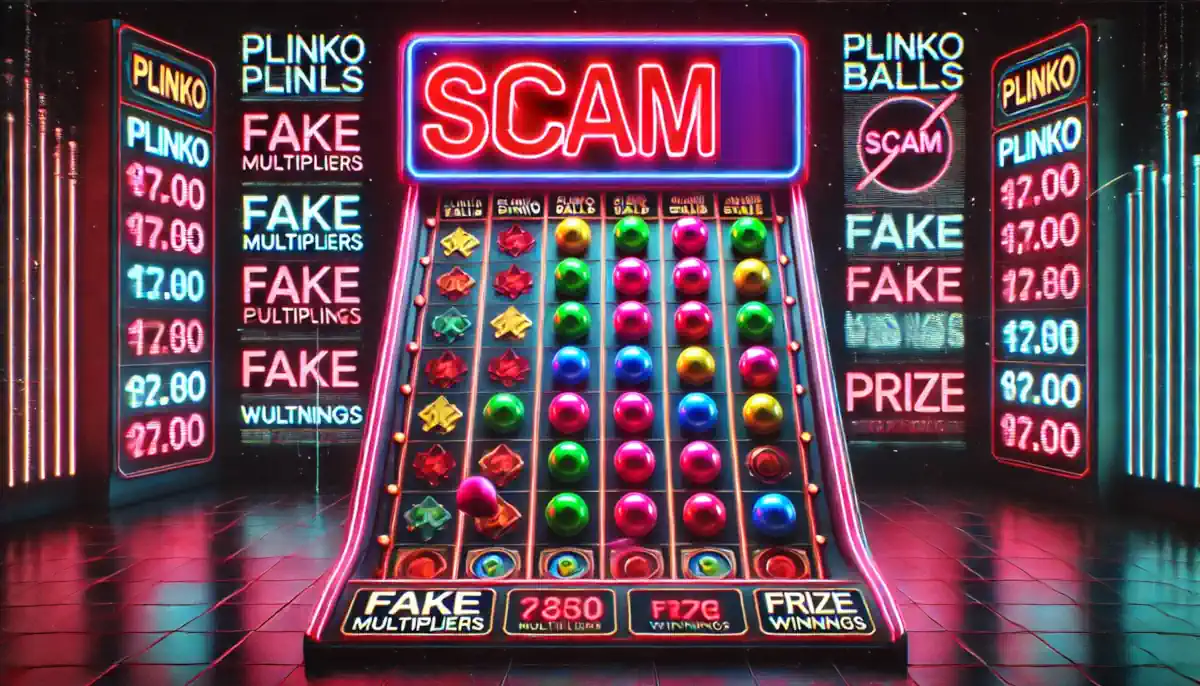
Plinko is a simple vertical-drop game based on the pegboard concept: a ball (or chip) is released at the top and bounces through a grid of pegs to land in a bottom slot that assigns a multiplier or prize. Modern online Plinko normally includes adjustable bet sizes, selectable number of balls, and multipliers shown for each slot. The visual simplicity and rapid rounds make Plinko attractive to both novices and experienced gamblers.
Typical gameplay mechanics
- Choose bet amount and sometimes number of balls or drop positions.
- Release the ball(s) and watch as physics or RNG determines the path;
- Prizes are awarded based on final slot multipliers and your stake.
- Some versions include bonus rounds, cascading multipliers, or progressive jackpots.
Why the phrase “plinko gambling fake” matters
Not all Plinko-style games are created equal. Reputable game developers publish RTP and undergo independent testing; licensed UK-facing casinos must adhere to UKGC rules. “Plinko gambling fake” usually refers to:
- Cloned games that copy visuals but manipulate outcomes.
- Unlicensed operators hosting versions with hidden algorithms that reduce player odds.
- Fake bonus claims where advertised multipliers or guarantees are not honored.
Recognising these red flags protects your bankroll and reduces the chance of disputes when trying to withdraw winnings.
How to detect fake or rigged Plinko
There are practical checks you can run before committing real money:
- Check licensing and audit seals on the casino site (UK Gambling Commission, eCOGRA, GLI).
- Look for published RTP and independent test reports for the specific Plinko title.
- Read player reviews and community threads — patterns of unpaid wins or withheld withdrawals are major warning signs.
- Test the demo mode to observe long-run behaviour before staking real cash;
Responsible play and bankroll tips
Given the fast pace of Plinko, the game can encourage rapid bets and impulsive chasing. Tips for safer play include:
- Set strict session and loss limits before you start.
- Avoid bets larger than you can comfortably afford to lose.
- Use demo modes to learn mechanics and variance.
- Keep records of wins and withdrawals to identify suspicious patterns early.
Comments on the topic of Games
Interface
Plinko interfaces are usually minimalist: a peg board, simple controls, and real-time statistics. Clear displays of balance, last outcomes, and bet size are essential. Poorly designed fake versions often hide crucial info or flood the screen with aggressive promotions.
Where to Play in the UK
Play only on licensed, UK-focused casinos. The safest options are big-name casino brands or regulated operators with clear UKGC oversight. Avoid small offshore sites that advertise unrealistic multipliers or aggressively push “no-wager” promotions that later become restricted by fine print.
General Rules
Rules differ by provider, but core elements remain: choose stake, release ball, payout equals stake times slot multiplier. Always check the terms for bonus use, maximum payout caps, and wagering requirements if you use promotional funds.
Questions and answers
frequently asked questions
Q: Is Plinko purely luck?
A: Mostly yes. While drop position can influence outcomes, the game uses RNG or physics simulations; there is no strategy that guarantees consistent wins.
Q: Can I verify Plinko fairness?
A: Look for independent audit certificates and published RTP. Track outcomes in demo play for patterns that suggest manipulation.
how to questions
How to avoid fake Plinko games: verify licenses, test demos, consult trusted review sites and community threads, and prioritize casinos with established UK regulatory presence.
Expert feedback
Experienced Player
“I’ve played many Plinko variants. The honest versions feel volatile but statistically fair. The fakes show streaks that make no sense — long runs of low multipliers with sudden improbable spikes. If withdrawals are delayed or support avoids details about RNG, steer clear.”
Interview with a player who won in a casino-game
Short Q&A
Interviewer: Tell us about your Plinko win.
Winner: I used demo mode for a week to familiarise myself. On a UK-licensed site I trusted, I placed small progressive bets and hit an unexpected high multiplier. Withdrawals were processed within two days. My advice: patience and using reputable casinos made the difference.
Analysis of the popularity of the casino-game
Plinko’s surge is driven by several factors: instant gratification, simple rules, and shareable visuals suitable for streaming and social feeds. For UK players, the clarity of regulation and consumer protections makes legitimate Plinko titles more attractive than shady clones. Still, the game’s simplicity means it is an easy template for unscrupulous operators to replicate, fueling the “plinko gambling fake” narrative among wary players.
Table
with the main parameters of the game
| Parameter | Typical Value |
|---|---|
| RTP | Varies (85%–97%) — check specific title |
| Variance | Medium to high |
| Min Bet | £0.10 (varies) |
| Max Bet | £100+ (varies by casino) |
| Bonus Feature | Multipliers, multi-ball drops, jackpots (optional) |
Final verdict
Plinko can be fun and legit when offered by reputable, UK-licensed casinos. The key is vigilance: demand transparency (RTP, audits), use demo modes, read community feedback, and keep stakes sensible. “Plinko gambling fake” is a real concern — but it can be mitigated by choosing regulated platforms and staying informed.
Stay safe, play responsibly, and if anything feels off, from suspicious odds to withdrawal problems — report it to the casino support and the UK Gambling Commission.
